
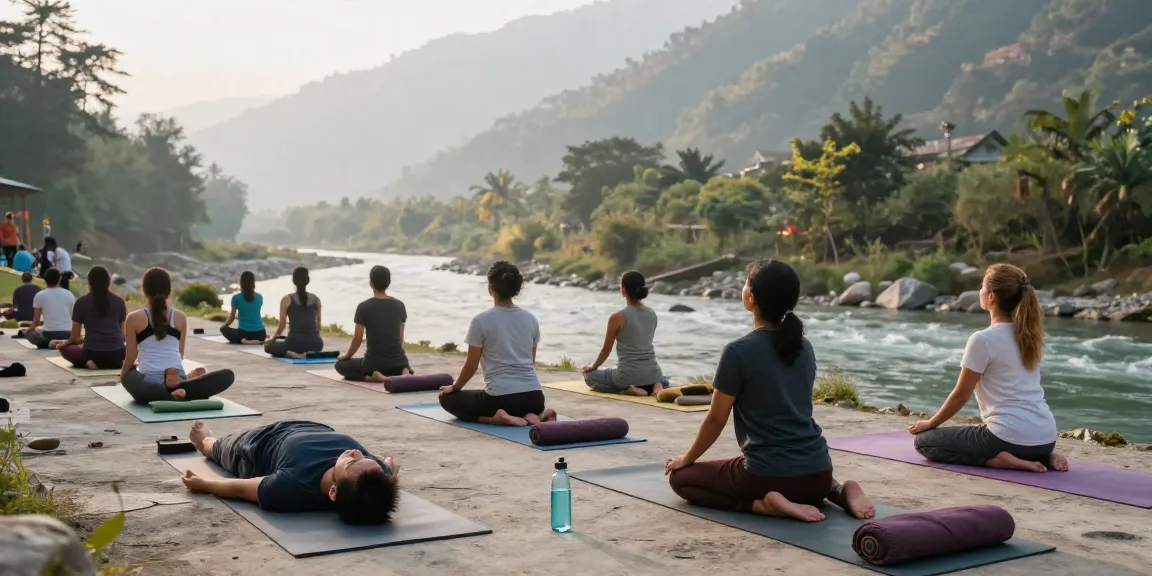
Understanding the 200 Hour Yoga Teacher Training in Rishikesh
Embarking on a journey to become a yoga instructor can be transformative, especially when done in Rishikesh, the yoga capital of the world. The 200 hour yoga teacher training in rishikesh offers a unique blend of physical practice, mental discipline, and philosophical understanding, helping aspiring teachers establish a strong foundation in yoga.
What is 200 Hour Yoga Teacher Training?
The 200 Hour Yoga Teacher Training (YTT) in Rishikesh is a comprehensive program aimed at guiding individuals through the profound principles of yoga. This course not only enhances an individual’s own practice but also prepares them to teach others with confidence and clarity. Generally spanning over 24 days, this intensive curriculum provides an in-depth exploration of various yoga styles, including Hatha and Vinyasa, alongside essential teaching methodologies.
Benefits of Training in Rishikesh
Rishikesh, nestled in the foothills of the Himalayas, offers a serene backdrop that significantly contributes to the learning experience. The natural beauty, spiritual energy of the Ganges River, and the presence of numerous ashrams create an ideal environment for personal reflection and growth. Training here enhances not only the physical aspects of yoga but also spiritual and emotional dimensions, making the entire experience much more enriching.
Course Structure and Duration
The typical 200 Hour Yoga Teacher Training program consists of a blend of theoretical and practical components, including yoga philosophy, anatomy, and different styles of asanas (postures). Programs often include daily practices, meditation sessions, and teaching practice, allowing students to apply what they have learned in a supportive environment. These courses also emphasize the importance of self-discipline and consistency, vital traits for any aspiring yoga teacher.
Essential Components of the Training Program
Curriculum Overview: Subjects Covered
The curriculum of the 200 Hour YTT typically includes:
- Asana Practice: Detailed study of various asanas focusing on alignment and modifications.
- Pranayama: Techniques for breath control that enhance vitality and mindfulness.
- Meditation: Practices aimed at developing concentration and inner peace.
- Philosophy: Understanding the roots of yoga, including the Yoga Sutras and ethical precepts.
- Anatomy: Learning about the human body and its movements to ensure safe practice.
- Teaching Methodology: Preparing students to effectively lead yoga classes with confidence and clarity.
Daily Schedule and Activities
A typical day in a 200 Hour Yoga Teacher Training program is well-structured to promote a balanced lifestyle. Early morning sessions often begin with meditation or Pranayama, followed by asana practice. Afternoons may include lectures, anatomy sessions, and teaching practice, while evenings often conclude with group discussions or relaxation techniques. This structure helps students cultivate self-discipline while deepening their understanding of yoga.
Cultural Immersion and Experiences
Training in Rishikesh goes beyond yoga practice; it also offers rich cultural experiences. Students can participate in local rituals such as the Ganga Aarti, explore sacred sites, and engage with the spiritual community. This cultural immersion enhances the learning experience, grounding the practice of yoga in its historical and spiritual context.
Choosing the Right Yoga Teacher Training Course
Factors to Consider in Your Selection
When selecting a 200 Hour YTT program, consider the following:
- Accreditation: Ensure the program is recognized by organizations such as Yoga Alliance, which provides credibility to your certification.
- Curriculum: Look for a comprehensive curriculum that covers a variety of yoga styles and includes practical teaching experience.
- Instructor Experience: Research the backgrounds of the teaching staff to ensure they have the knowledge and experience to guide you effectively.
- Location: Consider the environment; Rishikesh is unparalleled for yoga due to its rich cultural and spiritual heritage.
Accreditations and Recognitions
Choosing a course that offers internationally recognized certifications is essential for aspiring yoga teachers. Many programs in Rishikesh provide credentials that allow graduates to register as certified yoga instructors worldwide, opening numerous teaching opportunities.
Testimonials from Previous Students
Feedback from past students can offer invaluable insights into the program. Many express how the supportive community and experienced instructors contributed to their confidence and understanding of yoga. Additionally, specific stories about personal transformation can highlight the depth of the program’s impact.
Preparing for Your Yoga Teacher Training Journey
What to Expect on Arrival?
On arrival at your chosen ashram or training center, you can expect a warm welcome and an introduction to the program layout. Orientation sessions are typically organized to familiarize students with schedules, facilities, and the surrounding area, ensuring a smooth transition into this immersive experience.
Necessary Preparations and Packing Tips
Preparation for the training course includes both mental and physical aspects. Here are a few tips to help you get ready:
- Pack comfortable yoga clothing and a personal yoga mat if preferred.
- Bring any necessary medications, personal care items, and a journal for reflections.
- Prepare mentally by setting personal goals regarding your yoga practice and teaching ambitions.
- Research the culture and customs of Rishikesh to better acclimate.
Mindset and Goals for Transformation
Entering the training with an open mind and a clear intention can vastly enhance your experience. Take time to journal your goals and what you hope to achieve through the training. Whether your focus is personal growth or preparing for a teaching career, clarity on your purpose will guide your journey.
Post-Training: Next Steps and Opportunities
Continuing Education and Certifications
After completing the 200 Hour YTT, many graduates choose to further their education with advanced courses such as a 300 Hour YTT or specialization in specific styles like Ashtanga or Yin yoga. Continuing education not only enhances teaching skills but also expands professional opportunities.
Building a Yoga Career After Certification
With certification in hand, graduates are often eager to start teaching. Building a successful yoga career involves networking, gaining practical experience, and possibly even establishing a personal brand or social media presence. Many instructors also benefit from attending workshops for ongoing learning and development.
Frequently Asked Questions about 200 Hour Yoga Teacher Training
Curiosity abounds around the 200 Hour Yoga Teacher Training. For more information, best 300 hour yoga teacher training in India offers valuable insights. Here are some common questions:
- How long does it take to complete the course? Most programs last around 24 days, with daily classes and activities.
- What does the course fee usually cover? Fees typically include tuition, accommodation, meals, and some materials, but it’s essential to check with the specific program.
- Is there an age limit for participants? Generally, there is no age limit; however, participants should be physically and mentally prepared for the intense schedule.
- Does the certification expire? Yoga Alliance certifications do not expire, but it’s beneficial to engage in continuous education to stay updated.


