
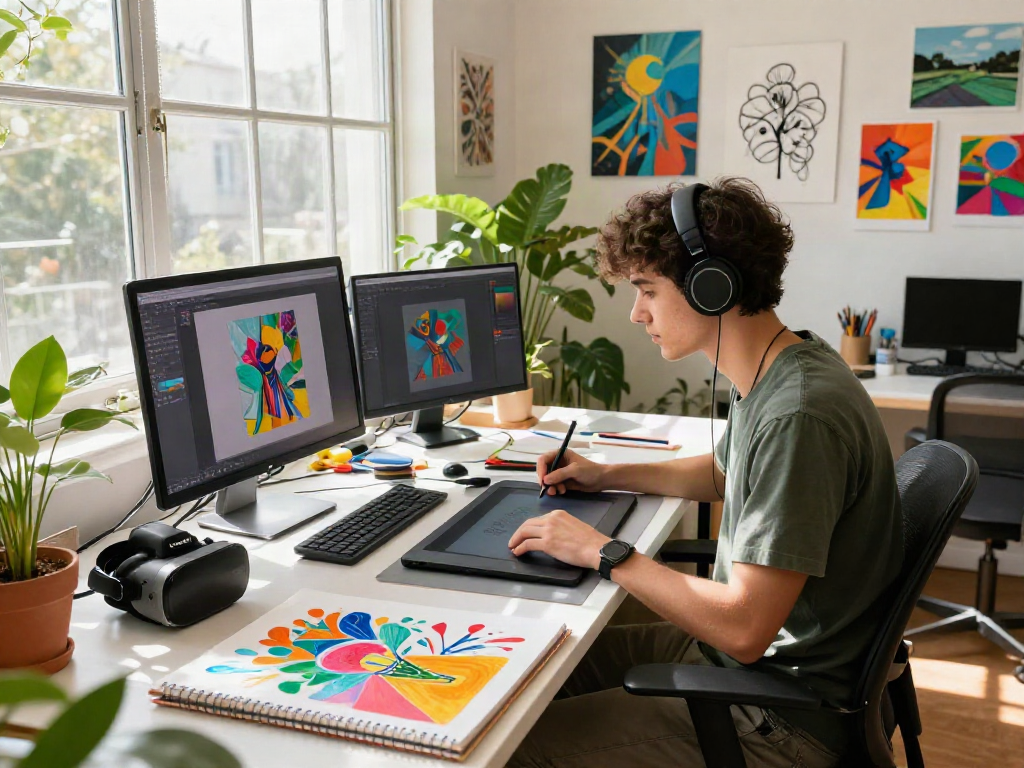
Understanding the ai slut Concept in Digital Art
The convergence of artificial intelligence (AI) and digital art has ushered in a groundbreaking trend known as the ai slut approach. This innovative methodology allows artists to leverage AI tools to enhance their creative processes, driving new forms of expression and redefining traditional boundaries. By embracing AI, digital artists are not only expanding their artistic toolkit but also setting the stage for a new era of interactive, dynamic artwork that resonates with audiences in ways previously unimaginable.
What is the ai slut Approach?
The term "ai slut" embodies a philosophy of openness and adaptability towards the integration of artificial intelligence in the creative process. Rather than viewing AI as a competitor or a tool that diminishes artistic merit, this approach celebrates the synergy between human intuition and machine learning. By embracing AI, artists can explore vast creative territories, generating concepts that might not have been conceived through traditional methods alone. This flexibility allows artists to push the limits of their imagination while maintaining a distinctive personal touch.
Historical Context and Evolution of Digital Art
The history of digital art is rich and varied, tracing back to the early experiments of artists using computers in the 1960s. As technology advanced, so did the capabilities available to artists. The introduction of user-friendly graphic software in the 1980s and 1990s democratized access to digital creation. Fast forward to the 21st century, and the rise of AI has catalyzed another significant shift. Artists today are now able to create intricate works that blend traditional techniques with algorithmic processes, leading to an explosion of creativity in the digital realm.
Benefits of Integrating AI in Artistic Processes
- Enhanced Creativity: AI tools can generate vast arrays of ideas and compositions, helping artists break free from creative blocks.
- Efficiency: Automating repetitive tasks allows artists to focus more on the conceptual aspects of their work.
- New Mediums: AI opens up possibilities for interactive art, providing audiences with a participatory experience.
- Collaboration: Artists can collaborate with AI in real-time, forging unique partnerships that challenge conventional notions of authorship.
Identifying the Challenges Faced by Digital Artists
Despite the myriad benefits, the journey of integrating AI into art creation is not without its challenges. Artists must navigate misconceptions, ethical dilemmas, and the delicate balance between creativity and technology.
Common Misconceptions about AI in Art
One prevalent misconception is that AI can replicate human creativity. While AI can analyze patterns and produce art, it lacks the emotional depth and experience that characterize human creation. AI should be viewed as a collaborator, not a replacement, in the artistic process.
Balancing Creativity and Technology
Striking a balance between artistic intuition and technological influence can be challenging. Artists must resist the urge to overly depend on AI, ensuring that their unique voice and vision remain at the forefront of their work. The key lies in using AI as a tool to enhance rather than dictate their creative choices.
Potential Ethical Concerns in AI Art Generation
As with many technological advances, ethical concerns arise regarding ownership and authenticity in AI-generated art. Questions surrounding copyright, originality, and the moral implications of using AI to create art must be addressed to foster a healthy artistic environment. Artists must remain vigilant and informed regarding the ethical landscape as they navigate this evolving field.
Best Practices for Implementing AI Tools in Art
To maximize the advantages of AI while mitigating potential drawbacks, artists should adopt best practices in their creative workflows. This involves selecting suitable tools, crafting a coherent integration strategy, and maintaining their artistic integrity.
Selecting the Right AI Tools for Your Needs
Not all AI tools are created equal; artists must identify the software and applications that align with their artistic vision. Whether it's generative design tools, style transfer algorithms, or AI-assisted animation software, the right tool can significantly influence the creative process.
Strategies for Incorporating AI into the Creative Workflow
- Start Small: Begin by experimenting with less complex tools before gradually incorporating more advanced AI systems into your workflow.
- Iterate: Allow for trial and error; the beauty of AI is its ability to learn and evolve alongside the artist.
- Collaborate: Work alongside AI, treating it as a co-creator that offers suggestions or variations to your ideas.
Maintaining Artistic Integrity with AI Assistance
Ensuring that AI does not overshadow personal creativity is crucial. Artists should use AI as an assistant rather than a crutch, ensuring that the final work is a reflection of their individual style and message. Regularly revisiting and reflecting on their creative goals can help maintain this balance.
Real-World Applications of ai slut in Digital Art
The application of the ai slut approach in real-world settings serves as a testament to its effectiveness in revolutionizing art creation. Numerous artists are successfully blending AI into their practice, paving the way for others to follow.
Case Studies of Successful AI Art Collaborations
One of the most notable examples is the collaboration between artist Mario Klingemann and neural networks, where he generated artworks that challenge perceptions of machine creativity. These pieces not only garnered critical acclaim but also sparked conversations about the role of AI in contemporary art.
How Emerging Artists are Using AI to Stand Out
Many emerging artists are leveraging AI to carve out unique niches in the art world. For instance, artists like Refik Anadol utilize AI to create immersive installations that engage audiences on multiple sensory levels, showcasing the potential of AI beyond traditional boundaries.
Future Trends in AI-Driven Art Innovation
The future of AI in digital art is bright, with trends indicating a growing integration of AI into artistic practice. Expect to see more interactive installations, AI-generated performances, and collaborative pieces that blur the lines between artist and algorithm. The continued evolution of technology promises to reshape the way artists create, exhibit, and engage with their audiences.
Measuring Success with AI in Digital Art
To assess the impact of AI on artistic endeavors, artists must establish metrics for success that go beyond traditional measures of artistic merit.
Key Metrics for Evaluating AI-Enhanced Artwork
- Audience Engagement: Track how audiences interact with AI-generated works through feedback and participation.
- Exhibition Success: Evaluate the reception of AI art in galleries and online platforms.
- Sales and Recognition: Monitor sales trends and recognition in art competitions.
Gathering Feedback and Community Engagement
Community engagement plays a vital role in understanding the impact of AI art. By actively seeking feedback through social media, exhibitions, or artist collectives, creators can refine their approaches and foster a supportive network.
Adjusting Techniques Based on Performance and Trends
The art world is ever-evolving, and artists must adapt to changes in technology and audience preferences. Regular reviews of their work and processes will allow artists to pivot effectively, leveraging AI to stay relevant and innovative.
What are the future trends in AI art?
Future trends in AI art will likely center on enhanced interactivity, where audiences can influence the outcome of artworks in real-time. Furthermore, advancements in machine learning are expected to produce even more sophisticated and personalized art experiences.
How can I start using AI in my artwork?
To begin incorporating AI into your artistic practice, start with user-friendly tools and gradually explore more complex applications. Online courses and communities can provide valuable guidance and support as you navigate this exciting frontier.
What ethical considerations should I be aware of?
Important ethical considerations include copyright issues, ensuring transparency in AI collaboration, and the implications of using datasets that may not represent diverse perspectives. Artists should strive to engage with these issues thoughtfully and responsibly.
Can AI replace traditional artistic skills?
While AI can generate art, it cannot replicate the emotional depth and subjective experience that human artists bring to their work. Instead of replacing traditional skills, AI should be viewed as an augmentation, enhancing the artist’s capacity for creativity.
What tools are essential for integrating AI in art?
Essential tools for artists looking to integrate AI include generative art platforms, machine learning software, and AI-driven design applications. As technology advances, staying informed about new tools can enhance artistic capabilities and foster innovation.