
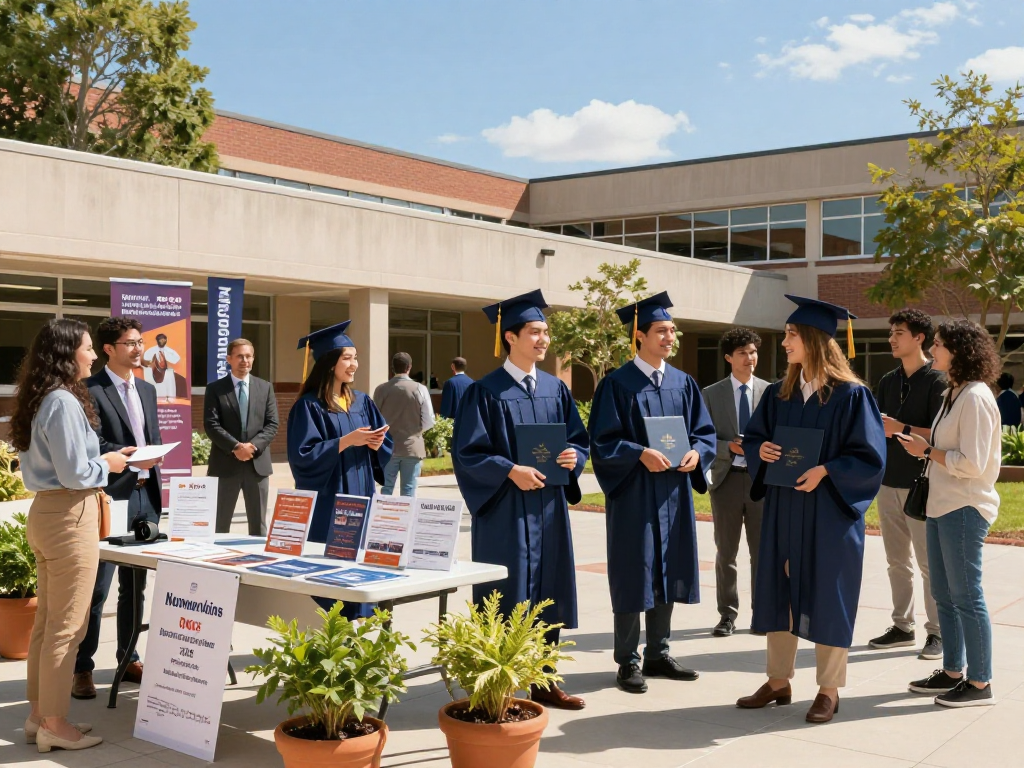
Understanding the Value of University and Trade School Graduates
In today's competitive job market, employers are increasingly recognizing the unique skills and perspectives that both university and trade school graduates bring to the table. These individuals not only possess theoretical knowledge but also practical abilities that are essential in a variety of industries. As businesses seek to innovate and enhance productivity, the role of graduates from these educational paths has become increasingly significant. When exploring options, university and trade school graduates provide comprehensive insights into how they can contribute to workplace success.
What Skills Do Graduates Bring to the Workforce?
Graduates from universities and trade schools are equipped with a diverse set of skills that are tailored to meet the demands of today's employers. University graduates often come with advanced analytical skills, critical thinking capabilities, and specialized knowledge in their field of study. Conversely, trade school graduates typically possess hands-on experience and technical expertise necessary for specific trades, such as plumbing, electrical work, or automotive repair. Together, these skill sets create a well-rounded workforce that can adapt to various roles and responsibilities.
Comparing Education Paths: University vs. Trade School
The decision between attending a university or a trade school can significantly affect one's career trajectory. University education usually emphasizes theoretical concepts and broad knowledge, preparing students for a range of professions, including management and specialized roles in science or humanities. On the other hand, trade schools focus on practical training for specific careers, often resulting in quicker entry into the workforce and less student debt. Both paths offer valuable outcomes, but the choice largely depends on individual career aspirations and learning preferences.
Employer Preferences: Why Businesses Value Graduates
Employers value graduates for several reasons. Firstly, graduates typically demonstrate a strong capacity for learning and adaptation, making them suitable for evolving job requirements. Furthermore, graduates from reputable institutions have often undergone rigorous training and education, providing a level of assurance regarding their competence and professionalism. As the workforce evolves, businesses are increasingly looking for candidates who not only fit a skill set but also bring unique perspectives and problem-solving abilities to their teams.
Real-World Applications: How Graduates Enhance Local Industries
The impact of university and trade school graduates on local industries cannot be overstated. Their skills translate into tangible benefits for businesses and communities alike. From providing essential services through skilled labor to driving innovation in technological sectors, graduates are pivotal in keeping local economies thriving. For instance, a graduate from a trade school may start a plumbing business that not only fulfills local demand but also creates job opportunities and stimulates economic growth.
Case Studies: Successful Graduates in Various Fields
Numerous successful case studies illustrate how graduates contribute significantly across different sectors. For example, a group of trade school graduates in construction undertook a community project that renovated low-income housing, enhancing living conditions and strengthening community ties. Similarly, a university graduate in business administration launched a tech startup that leveraged unique educational experiences to address gaps in local services, resulting in both economic growth and job creation.
Common Misconceptions About Graduate Competence
Despite their qualifications, graduates often face misconceptions regarding their readiness for the workforce. Some employers may perceive them as inexperienced or lacking the necessary practical skills. However, it is essential to recognize that many graduates have undertaken internships, apprenticeships, or practical projects that equip them with the hands-on experience needed to excel in their roles. Understanding these aspects can help businesses better assess and appreciate the potential of both university and trade school graduates.
Industry-Specific Needs: Addressing Gaps with Graduates
Different industries experience unique challenges that require specific skill sets. For instance, the healthcare sector consistently needs trained professionals who can integrate theory with practical application. Similarly, the technology sector demands individuals who can adapt to fast-paced environments and new advancements. By tapping into the talent pool of university and trade school graduates, businesses can effectively address these gaps and enhance their capabilities to meet industry demands.
The Role of Networking Platforms for Graduates in 2026
As the job market continues to evolve, the importance of networking platforms becomes even more apparent for graduates seeking employment. These platforms enable graduates to showcase their skills and connect with potential employers directly, streamlining the hiring process. In 2026, leveraging technology to foster these relationships is essential for both job seekers and employers aiming to find skilled candidates swiftly.
How AllTogether+ Connects Graduates with Employers
AllTogether+ is an ideal platform designed to bridge the gap between graduates and employers. By providing a comprehensive directory of local service providers, businesses can easily discover qualified candidates who meet their specific needs. Graduates can create profiles that highlight their skills and experiences, making it easier for employers to find the right match for their requirements.
Building Professional Relationships for Long-Term Success
Networking is not just about securing a job; it’s about building lasting professional relationships. Graduates can benefit from connecting with industry professionals through networking platforms, gaining valuable insights, mentorship, and opportunities for collaboration. These relationships can lead to not only job offers but also career advancement and personal development.
Maximizing Visibility: Using Online Platforms Effectively
For graduates, understanding how to leverage online platforms is crucial for maximizing visibility to employers. Candidates should focus on creating a professional online presence, including detailed profiles and active participation in relevant discussions or forums. By showcasing their expertise and engaging with industry trends, graduates can significantly improve their chances of being noticed by potential employers.
Navigating Job Markets: Insights for Graduates and Employers
The job market in 2026 is anticipated to be dynamic, with shifting demands and varying hiring trends. Both graduates and employers must stay attuned to these changes to make informed decisions that align with emerging industry requirements.
Understanding Market Trends in 2026
As technology continues to advance, new industries are emerging while traditional sectors may see fluctuations in demand. Graduates should focus on sectors that are predicted to grow, including technology, healthcare, and renewable energy. Employers, on the other hand, need to align their hiring strategies with these trends to attract top talent who can drive innovation and growth.
Top Industries Hiring Graduates This Year
In 2026, the technology, healthcare, and construction industries are expected to be at the forefront of hiring efforts. With a growing demand for software developers, data analysts, and healthcare professionals, graduates from both university and trade schools have excellent opportunities to enter these fields. Understanding which industries are hiring can help graduates tailor their skills and education to meet specific employer needs.
Strategic Approaches for Job Seekers and Businesses
For job seekers, developing a clear strategy can enhance their prospects. This may include acquiring additional certifications, networking extensively, and tailoring resumes to highlight relevant experiences. For businesses, adopting proactive recruitment strategies that engage with local universities and trade schools can help identify talented graduates who align with their organizational goals.
Future Trends: Preparing Graduates for Success in a Changing Economy
As we look towards the future, graduates must prepare to navigate an ever-changing economy that demands flexibility, adaptability, and ongoing learning. The skills acquired during their educational journeys will serve as a foundation for lifelong growth and success.
Essential Skills Graduates Should Focus On
Today's graduates need to develop a blend of technical skills and soft skills to remain competitive. Employers increasingly value candidates who demonstrate critical thinking, creativity, and effective communication abilities in addition to their technical prowess. Graduates should focus on enhancing these qualities to prepare for future challenges and opportunities.
Technological Advancements: Adapting Education to Industry Needs
To remain relevant in the workforce, educational institutions must adapt their curricula to reflect the rapid pace of technological advancement. This involves integrating practical experiences, such as internships or hands-on projects, into degree programs. Graduates benefit from education that not only imparts knowledge but also prepares them for the practical realities of their chosen fields.
The Importance of Lifelong Learning for Career Growth
In a world characterized by constant change, lifelong learning is crucial for both graduates and seasoned professionals. By pursuing continuous education, attending workshops, and seeking certifications, individuals can enhance their skills and adapt to emerging trends. Employers should encourage professional development to foster a culture of growth and improvement within their teams.
How to Utilize Networking Opportunities for Ongoing Success?
Graduates should actively seek networking opportunities through industry conferences, workshops, or online platforms. Engaging with professionals in their field can provide insights into industry developments, job openings, and mentorship opportunities. Building a robust network is essential for ongoing career success and professional growth.
What Can Employers Do to Support Recent Graduates?
To foster a supportive environment, employers can implement mentorship programs, provide training opportunities, and create a nurturing workplace culture. Understanding the unique challenges that recent graduates face can help businesses develop strategies to support their transition into the workforce effectively. Investing in their growth not only benefits the employees but also enhances overall organizational performance.